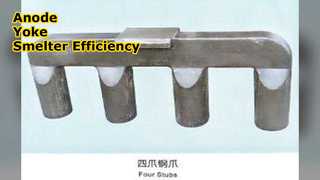
Brief: Discover the Aluminum Rod Stem 6101F Transition Joint Cast Steel Yoke Anode Assembly, a critical component for efficient aluminum smelting. This assembly features an extruded aluminum alloy rod, a cast steel yoke, and a bonded aluminum-steel transition joint, ensuring superior electrical conductivity and mechanical stability.
Related Product Features:
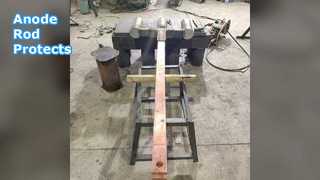
Extruded Aluminum Alloy 6101F or 6063F rod stem for optimal electrical conductivity.
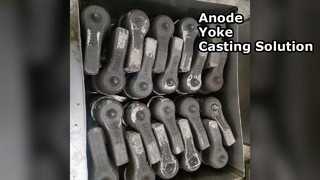
Cast steel yoke made of low carbon steel for mechanical support and durability.
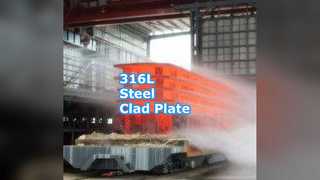
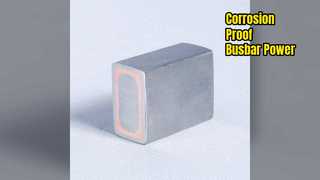
Transition joint (TJ) made of bonded aluminum-steel clad plate for reliable connection.
Normalize heat treatment and surface treatment R12.5 for enhanced performance.
Designed for efficient electrical conduction and heat dissipation in aluminum smelting.
Ensures mechanical stability and gas evolution during the smelting process.
High-quality welding joints for reliable electrical and mechanical connections.
Strict quality control checks to meet industry standards and ensure safety.
الأسئلة:
What materials are used in the Aluminum Rod Stem 6101F Transition Joint Cast Steel Yoke Anode Assembly?
The assembly includes an extruded aluminum alloy 6101F or 6063F rod stem, a cast steel yoke made of low carbon steel, and a transition joint made of bonded aluminum-steel clad plate.
What is the function of the anode assembly in aluminum smelting?
The anode assembly conducts electrical current to the anode carbon block, provides mechanical support, dissipates heat, and allows for efficient gas evolution during the smelting process.
How is the quality of the anode assembly ensured?
The assembly undergoes strict quality control checks, including dimensional inspections, electrical conductivity tests, mechanical strength tests, and nondestructive testing to meet industry standards.